
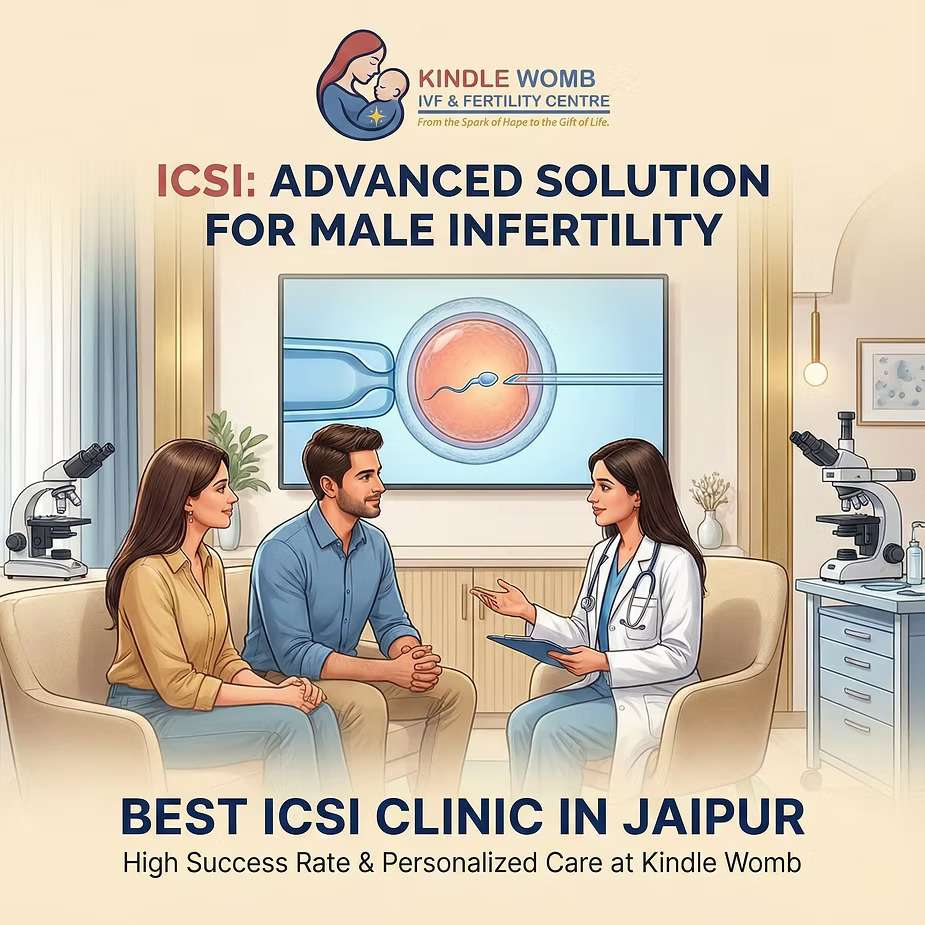
What Exactly is ICSI and How Does it Work?
Intracytoplasmic Sperm Injection (ICSI) is an advanced laboratory procedure used alongside In Vitro Fertilization (IVF). Instead of allowing sperm to naturally penetrate the egg in a petri dish (traditional IVF), an expert embryologist uses specialized micromanipulation equipment to select a single, morphologically optimal sperm and inject it directly into the center of a mature egg. This bypasses many natural barriers to fertilization.
Who is an Ideal Candidate for ICSI Treatment?
ICSI is the gold standard protocol for couples facing male factor infertility. Your fertility specialist at Kindle Womb may recommend ICSI if you present with:
- Low Sperm Count (Oligozoospermia): When the ejaculate contains very few sperm.
- Poor Sperm Motility (Asthenozoospermia): When sperm struggle to swim effectively toward the egg.
- Abnormal Sperm Morphology: When a high percentage of sperm have irregular shapes, preventing natural egg penetration.
- Surgical Sperm Retrieval: When sperm must be extracted directly from the testicles (TESA/PESA) due to blockages (Azoospermia).
- Previous IVF Failure: When standard IVF cycles resulted in poor or zero fertilization.
What are the Average ICSI Success Rates in Jaipur?
It is important to differentiate between the fertilization rate and the clinical pregnancy rate. Thanks to our Level-3 embryology laboratories at Kindle Womb IVF, our metrics remain highly competitive on a global scale:
- Fertilization Success: ICSI successfully fertilizes 70% to 85% of all mature eggs injected.
- Pregnancy Success (Under 35 Years): The clinical pregnancy rate per embryo transfer is approximately 50% to 60% for women under the age of 35.
- Pregnancy Success (Over 35 Years): Success rates naturally decline with maternal age, averaging 35% to 45% for women aged 35–40, largely due to age-related egg quality factors rather than sperm injection failure.
Can ICSI Cause Harm to the Embryo?
A common concern among hopeful parents is the safety of the micro-injection process. The risk of an egg being damaged during the ICSI procedure is incredibly low—typically less than 5%. Our highly trained embryologists use state-of-the-art microscopes and laser-assisted tools to ensure the utmost precision and safety during the injection phase.
How Can We Improve Our ICSI Success Rates?
While the laboratory handles the fertilization, patients can take proactive steps to improve both egg and sperm quality before the retrieval cycle:
- Maintain a Healthy BMI: Being under or overweight can impact hormonal balance and gamete quality.
- Antioxidant Supplementation: Taking CoQ10, Vitamin C, and Zinc can reduce DNA fragmentation in sperm.
- Avoid Toxins: Cease smoking and limit alcohol consumption at least 3 months prior to treatment.
- Advanced Selection: Inquire about advanced sperm selection techniques like MACS or PICSI for highly fragmented sperm cases.